Automated Clean Agent Fire Suppression Systems
Protecting active server rooms, electrical panels, and mission-critical enterprise assets from fire hazards without water damage or hardware corrosion.
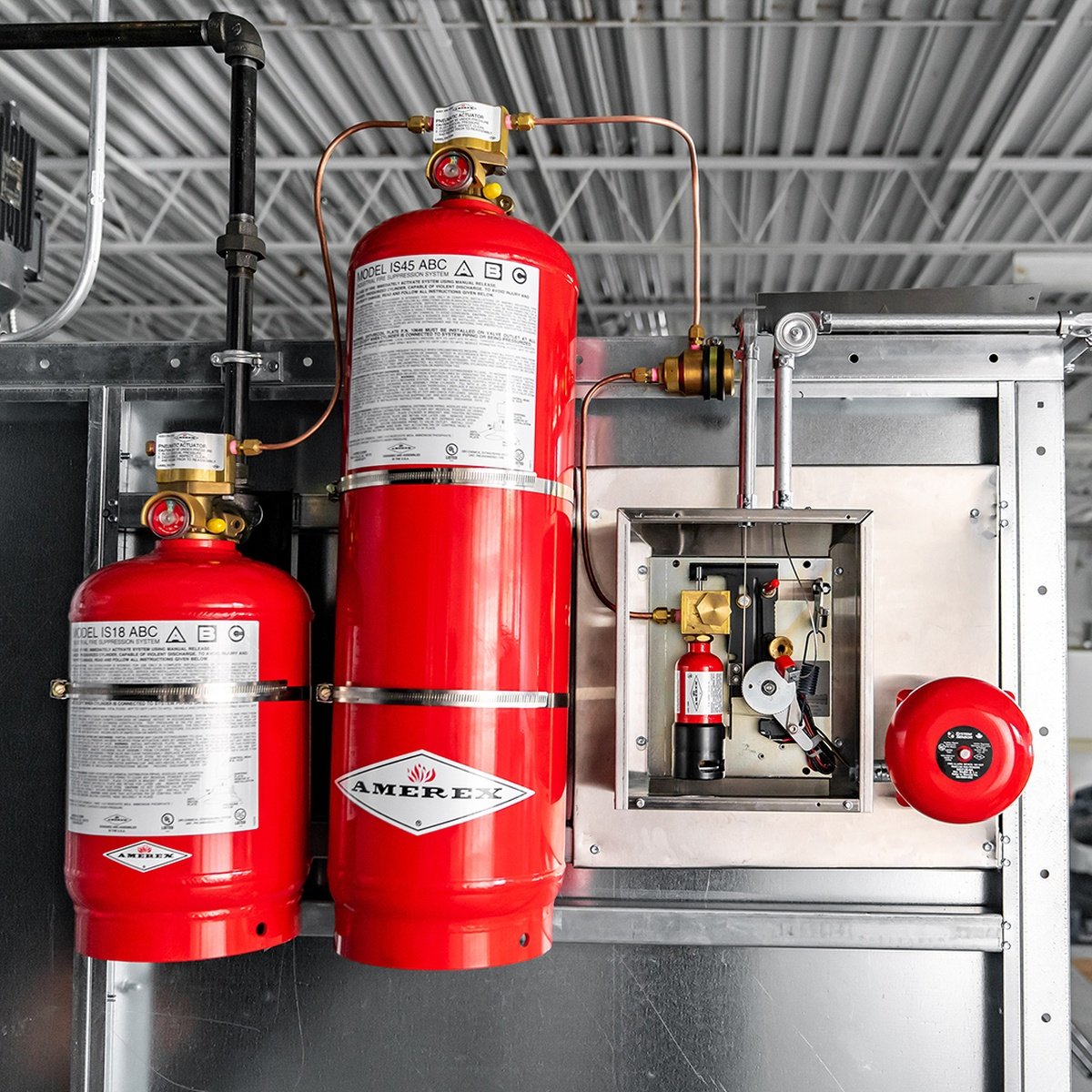
Technical Scope & Gaseous Fire Protection
In-house design, installation, gas refilling, and safety certification across Kenya.
FM-200 & Clean Agent Gas
Zero-residue gaseous discharge engineered to extinguish electrical fires in seconds without short-circuiting electronics.
VESDA Early Detection
High-sensitivity air sampling smoke detection panels designed to catch combustion particles prior to open flames.
Refilling & Hydrostatic Testing
Cylinder weight checks, pressure gauge calibration, gas refilling, and discharge valve testing.
DOSHS Safety Certification
Complete workplace fire hazard audits and statutory regulatory compliance certification for commercial facilities.
Deployment & Maintenance Workflow
Engineered safety protocols executed from initial audit to annual maintenance.
1. Site Survey
Our safety engineers inspect room volume, cable penetrations, airflow, and fire risks to determine required gas volume.
2. System Design
We produce piping schematics, cylinder sizing calculations, and an itemized equipment quote.
3. Piping & Commissioning
Mounting discharge nozzles, running pressure piping, wiring control panels, and executing room integrity tests.
4. Annual Certification
Quarterly pressure inspections, annual cylinder testing, and formal DOSHS compliance renewal.
Sectors Requiring Clean Agent Protection
Essential for environments where water-based sprinkler systems would cause catastrophic damage.
🖥️ Data Centers
Protecting active server racks, switches, and storage units.
⚡ Electrical Switchrooms
High-voltage transformer rooms and main breaker distribution.
🏦 Bank Vaults & Archives
Safeguarding vital documents, paper records, and media vaults
🏥 Medical Laboratories
Protecting sensitive MRI control rooms and diagnostic equipment.
Fire Suppression FAQs
Is FM-200 gas safe for personnel inside the room?
Yes. FM-200 is approved for occupied spaces at design concentrations, leaving no residue and leaving oxygen levels safe for breathing during evacuation.
How often should fire suppression cylinders be inspected?
Pressure gauges and cylinder weight should be audited quarterly, with full hydrostatic testing and panel battery checks conducted annually.
Ready to Get Started?
Join thousands of users who are already transforming their workflow.